Every serious buyer in Bali eventually asks the same question: not what the villa costs, but what it earns. Rental yield is where a property stops being a postcard and starts being an asset. Here is an honest look at the numbers, and at why the north of the island has begun to rewrite them.
Where Bali's yields actually sit
Across Bali's established tourist zones, well-run short-term-rental villas commonly produce gross yields in the range of 7–15% a year, with the strongest, best-managed properties pushing higher. For a quality two- or three-bedroom villa, top performers report gross rental income in the region of $40,000–$90,000 at occupancy of 80–85%.
The figure that matters, though, is the one after costs. Management, maintenance, cleaning, platform fees and tax typically absorb 30–50% of gross income, which lands realistic net yields around 8–12% for a well-positioned luxury villa, and less for an average one. Treat any headline number that ignores that gap with caution.
Why the north is closing the gap
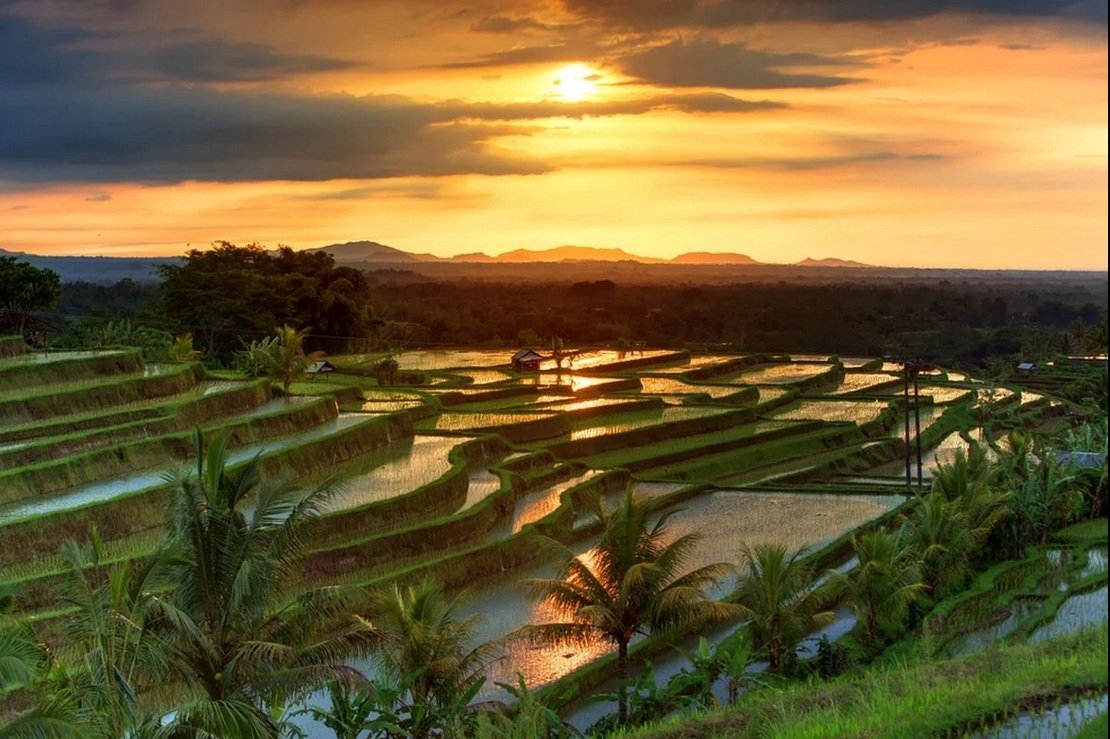
For years the yield story belonged to the south, Canggu, Seminyak, Berawa, where nightly rates of $250–$350 sit alongside saturation, rising land prices and gridlock. That balance is shifting. Travellers are moving north and inland in search of the "old Bali," and the operators are following.
The data backs the mood. Hotel occupancy across Buleleng, North Bali's regency, now averages around 75%, with Lovina running in the 70–80% band. Visits to Buleleng's attractions jumped 20–30% over the recent peak season, and Indonesia's tourism ministry has named wellness and nature tourism as priority pillars, exactly the experience Munduk sells without trying.
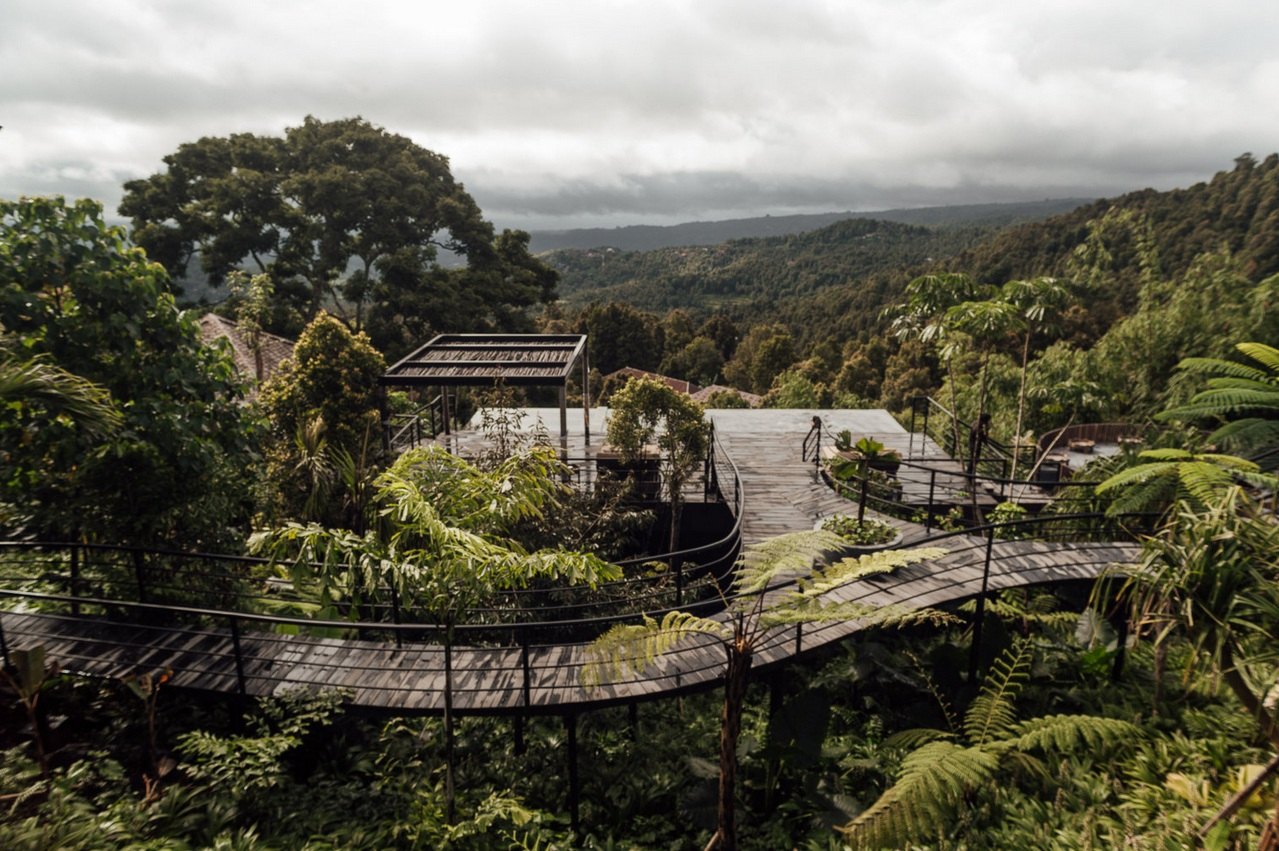
Munduk has become the heart of North Bali's nature-tourism boom: cool air, waterfalls and coffee country that feel like the Bali of thirty years ago.
What drives a Munduk villa's numbers
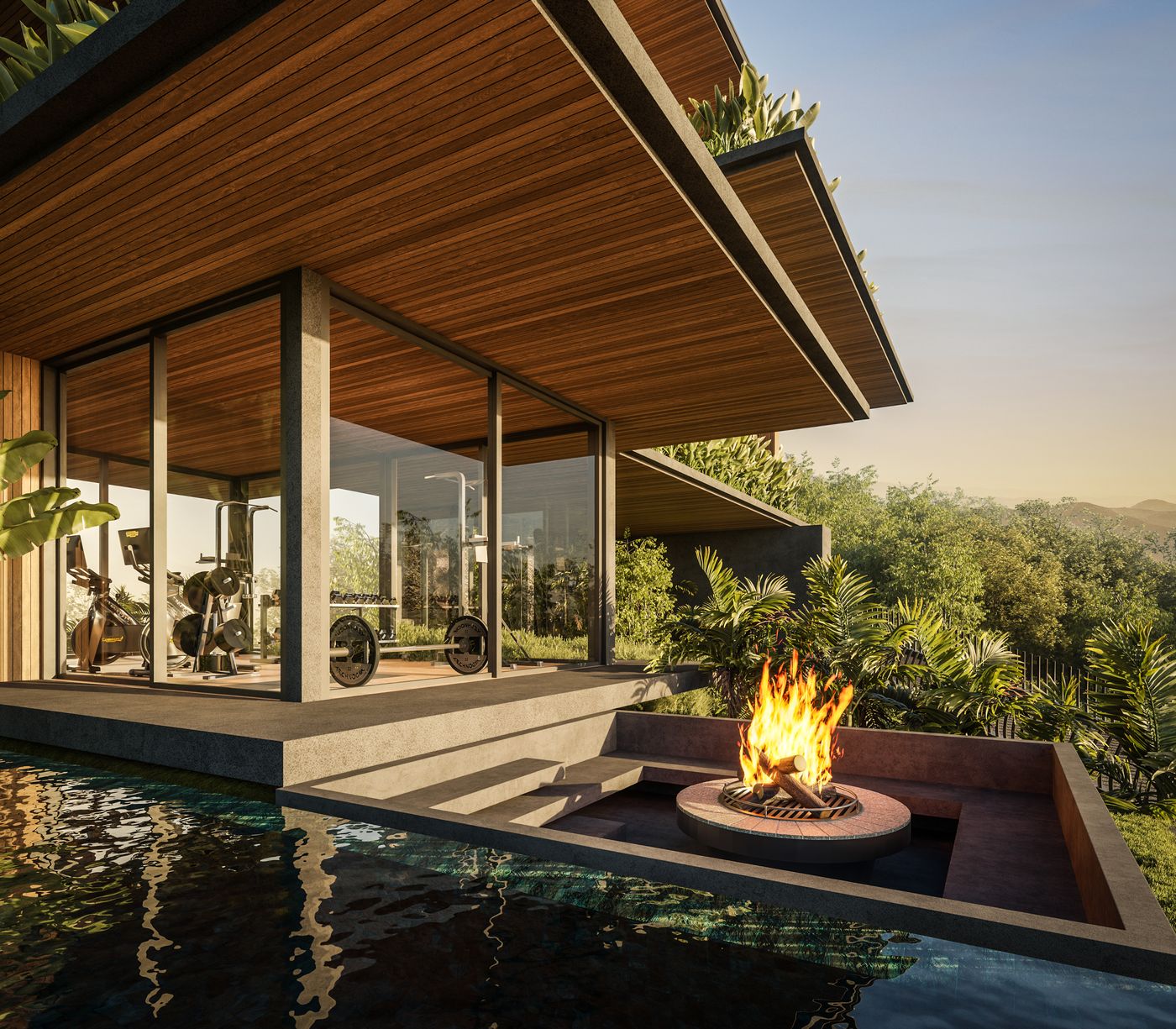
Three things underpin a yield in the highlands. First, scarcity: Munduk is supply-constrained and zoning-protected, so quality stock stays rare. Second, demand mix, wellness retreats, nature travellers and remote workers book longer stays and prize the cool, clean climate. Third, differentiation: a private pool, hot plunge, sauna and fireplace at 1,000 metres is a category of one, not another beach villa competing on price.
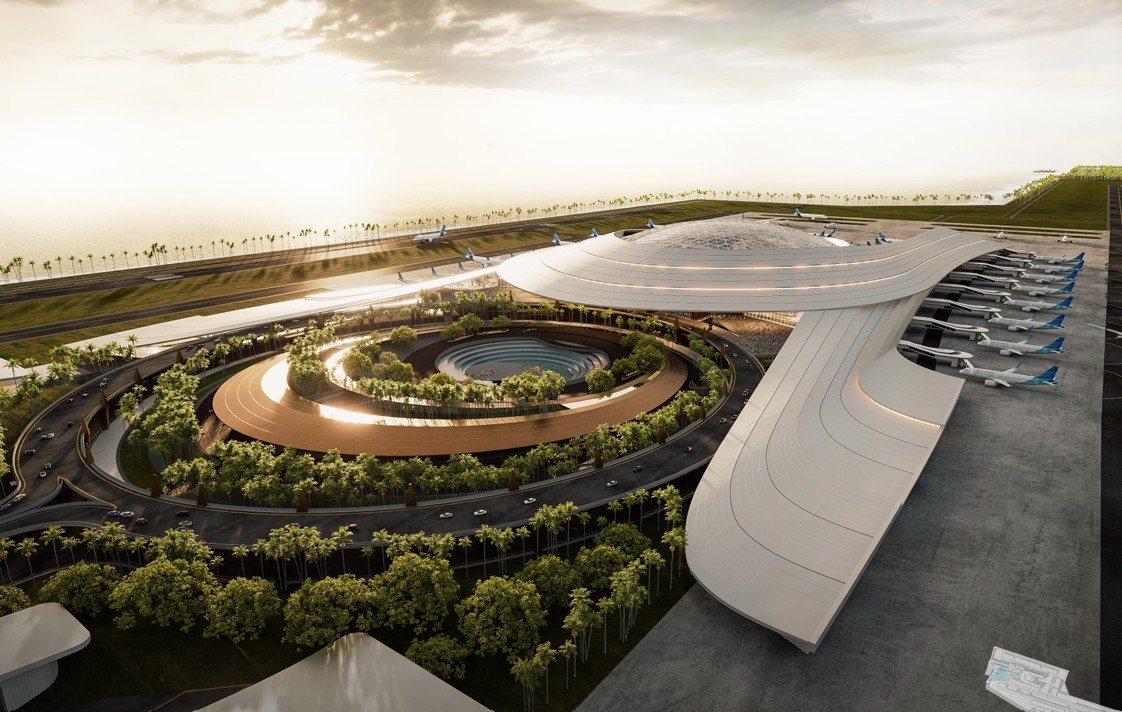
Then there is the catalyst next door. A US$3-billion international airport for North Bali was approved in July 2025, roughly an hour from Munduk against three from the south. When it opens, the north gains direct international demand for the first time, and the villas positioned before it do best.
Buying for the upside, not just the income
Yield is only half the return. As we set out in why Munduk land values are climbing, North Bali land still trades from a fraction of southern prices, so an early entry compounds rental income with capital appreciation. The mechanics of buying, leasehold, Hak Pakai and the structures foreigners use, are covered in our off-plan buyer's guide.
Own the asset behind the yield.
Eight hillside villas above the clouds, private pool, hot plunge, sauna and fireplace in each. One hour from North Bali's new international gateway. Handover set for December 2027.
Figures cited are drawn from public market reporting on Bali villa rentals and Buleleng tourism and are indicative ranges only; individual results vary by property, management and season. This article is general information, not financial, tax or investment advice.