For buyers who have ruled out the beach clubs and gridlock of the south, the choice usually narrows to two names: Ubud and Munduk. Both are inland, both are green, and both trade on the idea of a calmer, more cultured Bali. But they are not the same proposition, and the gap between them has widened sharply over the last decade. Ubud is where Bali's wellness story already matured; Munduk is where the highland idea still has room to run. Here is a plain comparison across climate, crowds, land economics and access, so you can decide which one actually fits what you are looking for.
Two highlands, two very different places
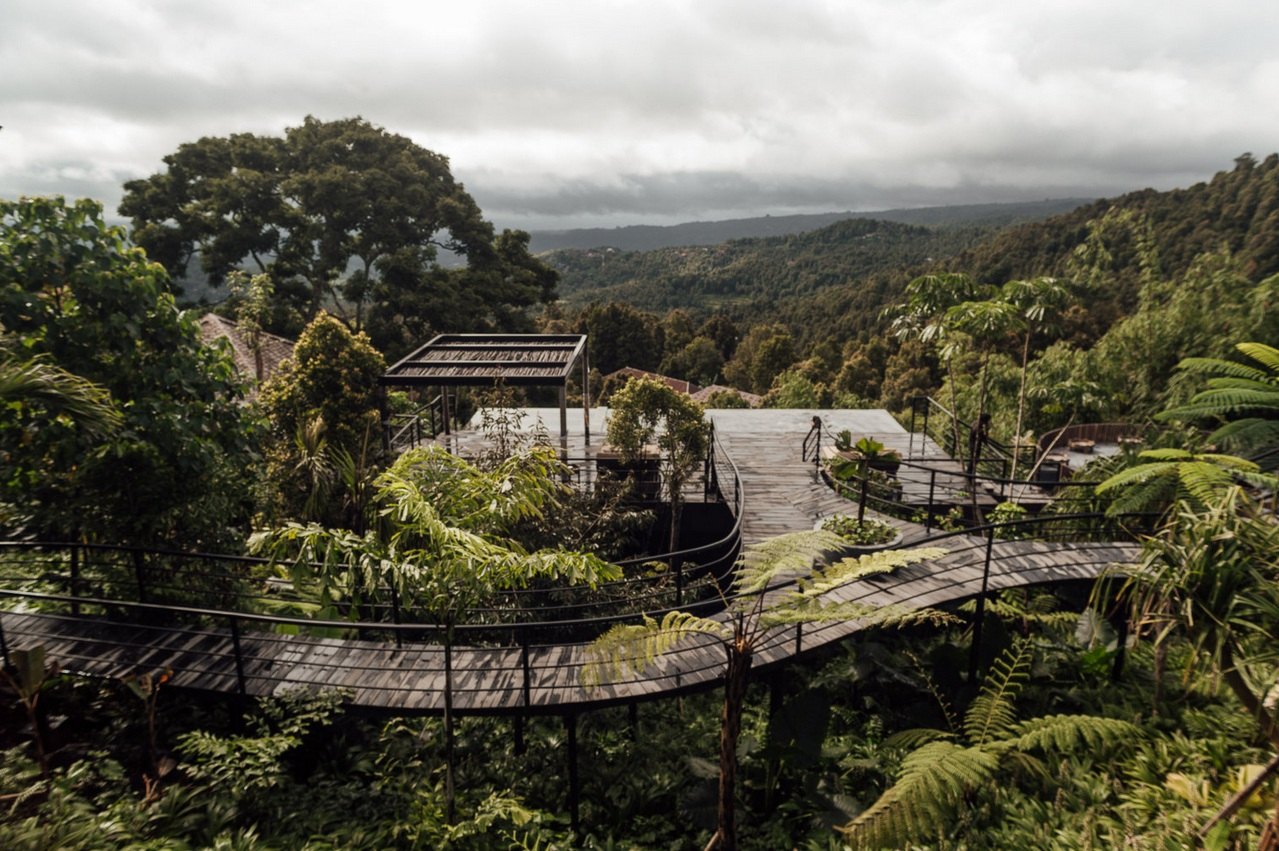
Ubud sits at roughly 200 to 300 metres above sea level in Bali's central foothills. It is warmer and more humid than most visitors expect, comfortably in the high twenties by day, and its famous rice terraces are now interleaved with cafes, galleries, yoga shalas and boutique hotels. It is a cultural town first and a natural one second. Munduk sits far higher, at around 1,000 metres in the volcanic highlands of the north, where the air is genuinely cool at roughly 18 to 24 degrees, mist threads through clove and coffee gardens most mornings, and evenings call for a jacket rather than a fan. One is a busy creative town in the hills; the other is a working plantation village on a ridge above the clouds. We describe that setting in more detail in the cool, clean highland of Bali.
Crowds, pace and the saturation problem
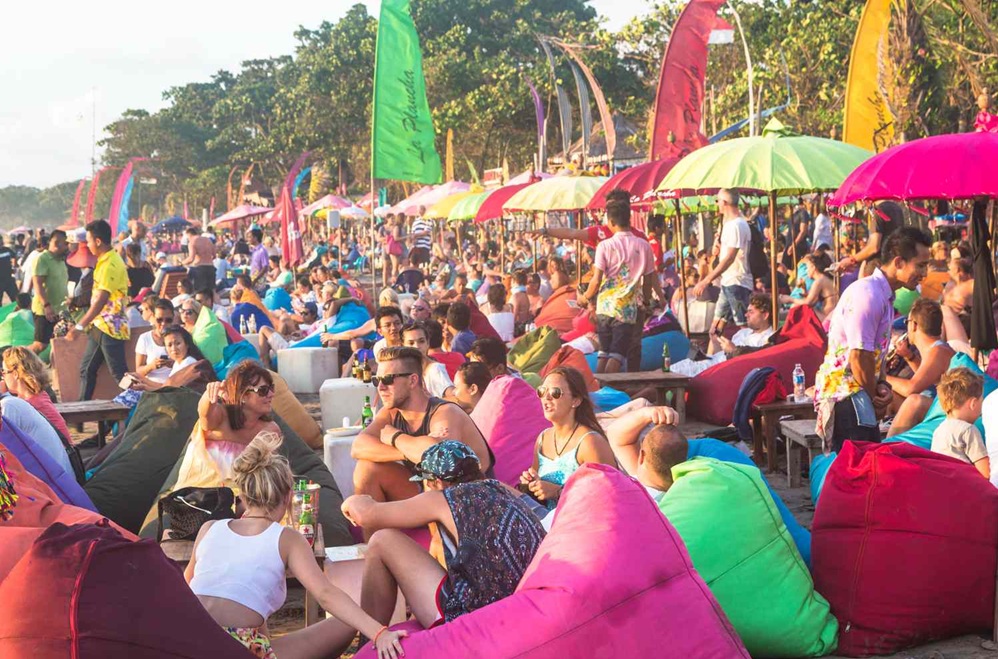
Ubud's popularity is also its constraint. The centre now suffers from the same congestion that pushed many buyers out of the south in the first place: narrow roads, heavy scooter and coach traffic around the palace and market, and a steady stream of day-trippers arriving from Canggu and Seminyak. It remains a wonderful place to spend time, but the sense of quiet that first drew people there has retreated to the outer villages, and land there is priced accordingly. Munduk, by contrast, has almost none of this. There is no strip, no queue for a sunset table and no coach traffic, only waterfalls, temples, treks and plantations. It is closer to the Bali that existed before mass tourism reached the interior, and for a certain kind of buyer that scarcity of noise is the entire point.
Land economics and entry price
This is where the comparison sharpens. Ubud is a mature, largely built-out market, and prime plots there now trade at a substantial multiple of North Bali land. Munduk land still trades near US$88 per square metre, against upwards of US$450 in the sought-after south and well above that in central Ubud. The north remains genuinely supply-constrained: ridge-top plots with a real view are finite by geography rather than by zoning, and there is simply far less developable highland than there is around Ubud. For a buyer, that means a lower entry price today and more room for the land itself to re-rate as the north opens up. We go deeper on those numbers in why Munduk land values are climbing.
Ubud is where the highland premium has already been paid. Munduk is where it is still being priced in.
Access: the variable that changes everything
For years, Ubud's trump card was position: it is around an hour and a half from Ngurah Rai International Airport in the south, while Munduk was a three-hour drive over the mountains. That gap is about to close. North Bali International Airport, a roughly US$3-billion project on the Buleleng coast, was designated a National Strategic Project by presidential regulation in February 2025, with public reporting pointing to construction from around 2027 and operations to follow. Once open, it places Munduk about an hour from an international gateway, roughly the same access Ubud enjoys today, but from the opposite side of the island and against a far lower entry price. With Bali drawing more than seven million foreign arrivals in 2025, a second gateway is designed to spread that demand toward the north rather than replace the south. Timelines for infrastructure of this scale can slip, and this one is no exception, but the direction of travel is already reshaping how investors weigh the two highlands. We cover it fully in what the new airport means for property.
What each delivers as an investment
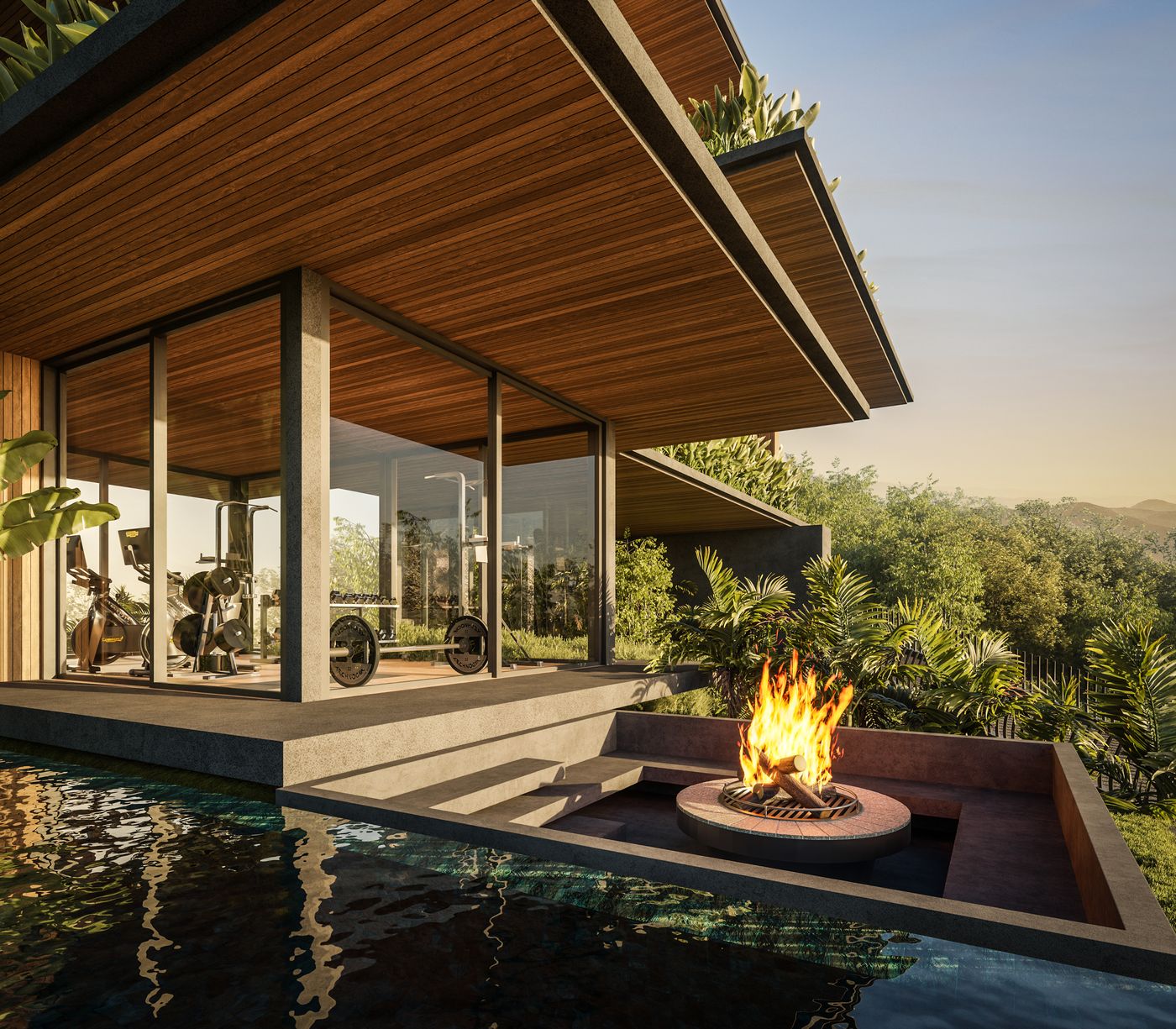
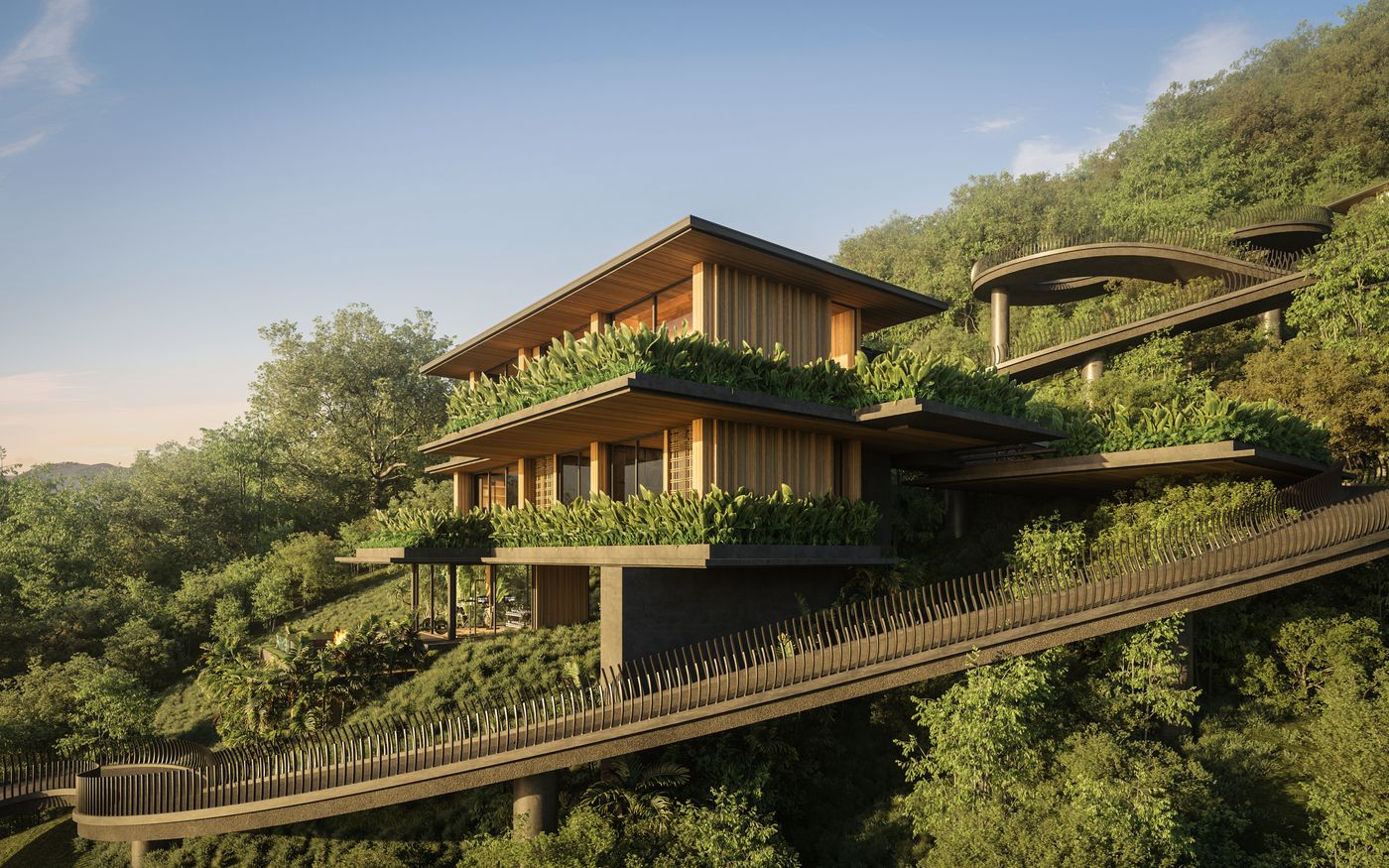
Ubud is a proven rental market with deep, year-round wellness demand, but it is also a competitive one, with high land costs and thousands of villas chasing the same guest. Munduk offers the reverse profile: lower acquisition cost, far less competing supply, a distinctive highland product that photographs unlike anything on the coast, and a growth catalyst in the airport that Ubud has already banked. The Heights Munduk is built for exactly this moment, a limited collection of eight villas above the clouds, each with a private pool, hot plunge, sauna and fireplace, held on an 80-year leasehold and around 65% complete, with handover set for December 2027. Ownership at or above US$1 million can also support a five-year Second Home visa, the same residency route we outline in our guide to buying off-plan in Bali.
So, which is right for you
If you want galleries, a dense cafe and wellness scene and an established name today, Ubud delivers that, at Ubud prices and Ubud density. If you want cooler air, real quiet, a lower entry point, a scarce and distinctive product, and exposure to the side of the island with the most room left to grow, Munduk is the more interesting bet. The two are not mutually exclusive, and the same new airport that shortens the drive to Munduk keeps Bali's wider tourism engine running. The difference is straightforward: in Ubud, the highland premium has largely been paid; in Munduk, it is still being written.
Own a piece of the highlands.
Eight hillside villas above the clouds, private pool, hot plunge, sauna and fireplace in each. One hour from North Bali's new international gateway. Handover set for December 2027.
Land values, arrival figures and airport details are drawn from public market and government reporting and are indicative only; timelines for major infrastructure are subject to change. This article is a general introduction for information purposes and is not legal, tax or investment advice. Always confirm your structure with a licensed Indonesian notary (PPAT) and an independent adviser before purchasing.