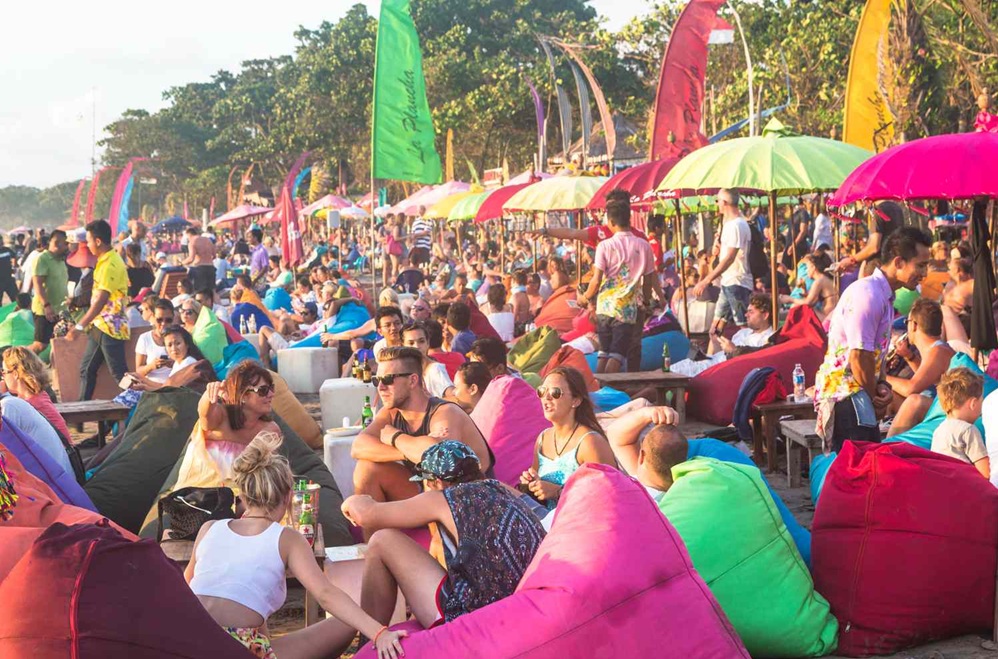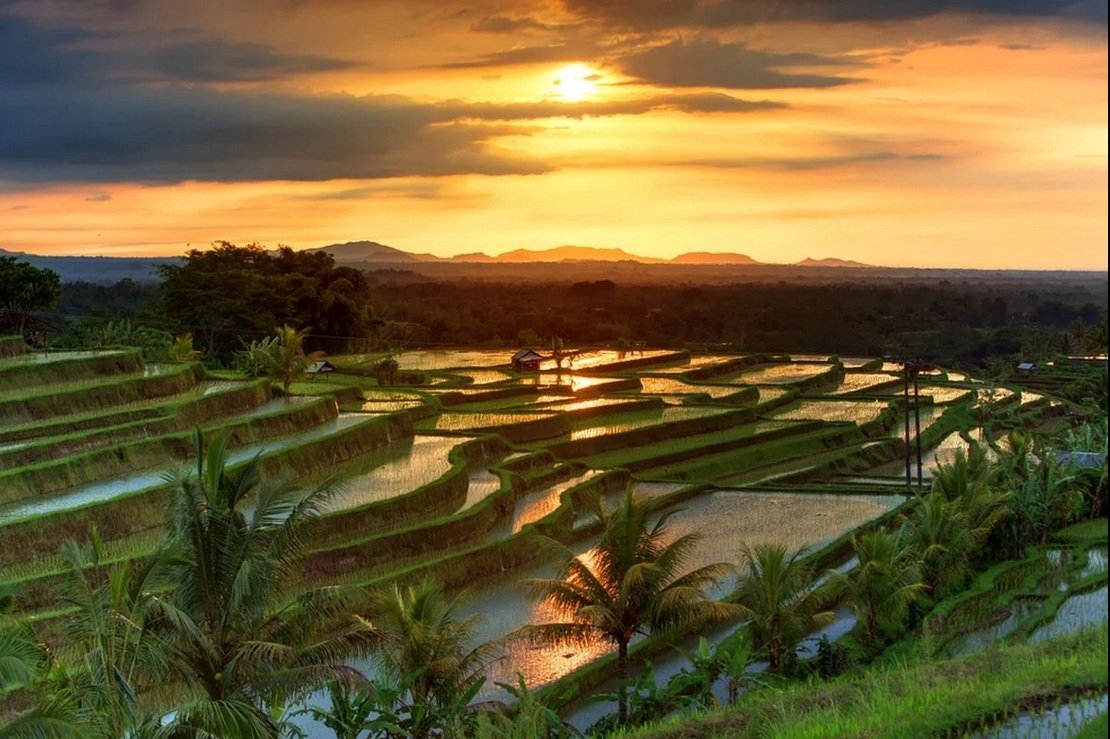
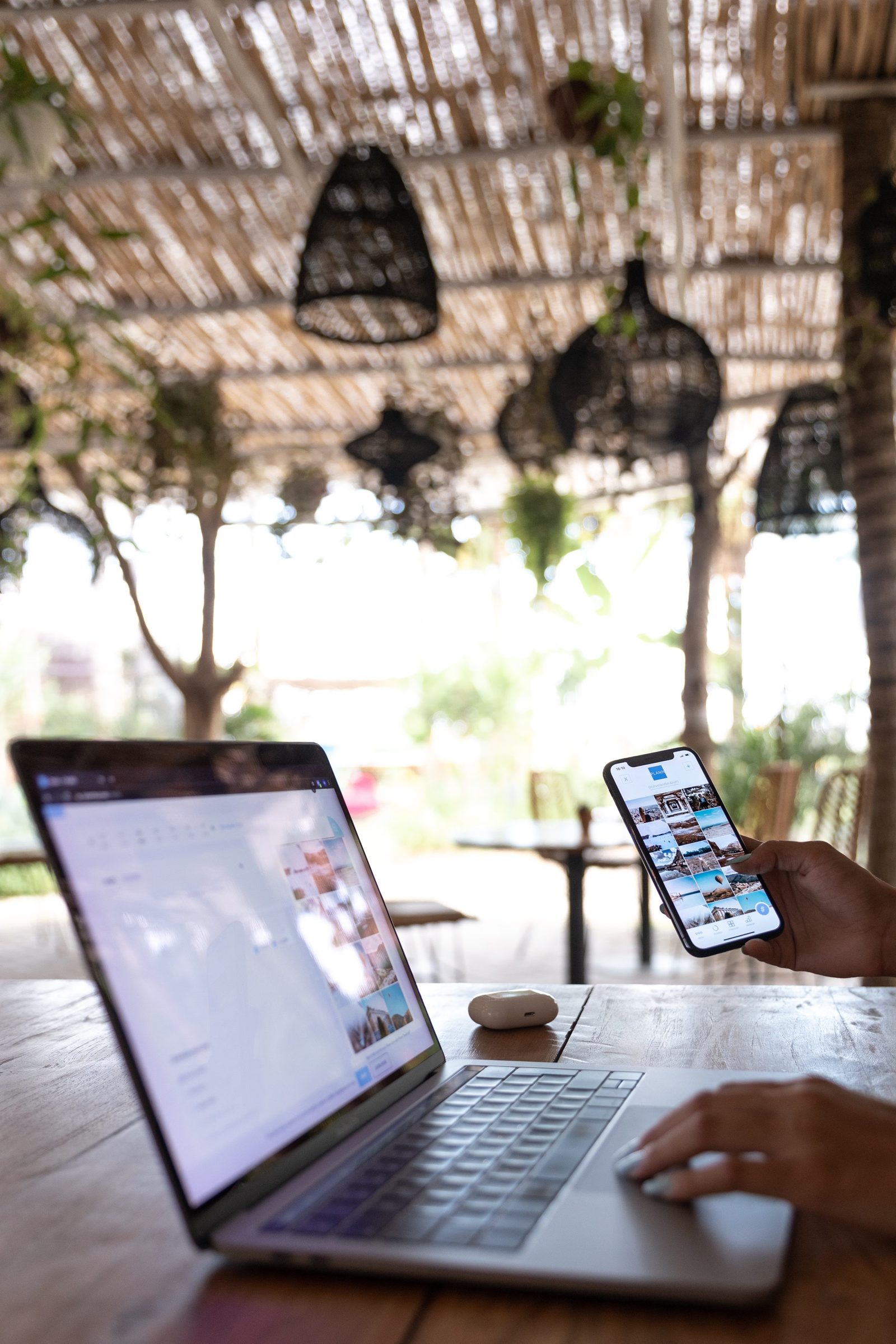
Bali's remote-work scene has a geography problem. Canggu and Ubud have the coworking desks, the oat-milk flat whites and the fibre, but also the traffic, the noise and rents that now rival small European cities. A quieter alternative is building in the north: Munduk, a highland village at around 1,000 metres, where a growing number of long-stay foreigners are trading beach-club WiFi for mountain air and a proper night's sleep.
The connection question
This is the first thing anyone asks, and fairly so. Rural North Bali doesn't have the dense fibre networks of the south; fixed broadband in Buleleng regency generally trails Canggu and Ubud's 100Mbps+ villa connections. Mobile 4G coverage is solid along the main roads and through Munduk village itself, but can dip in the deeper valleys. In practice, the fix is straightforward: Starlink is now legally sold in Indonesia through licensed local channels, and it has quietly become the default setup for serious remote workers in the highlands, delivering south-Bali-grade speeds regardless of what runs under the road. Public coworking is still thin on the ground, a handful of spots around Lovina and Singaraja aside, so most people who choose Munduk work from home rather than a shared desk.
Visas, briefly
Most remote workers test the water on an extendable visit visa before committing longer term. For those planning to make Munduk a genuine base, Indonesia's Second Home visa grants a five-year, renewable, multi-entry stay to foreigners who hold a qualifying real-estate investment, the same route covered in our guide to buying off-plan in Bali. Own the villa, and the paperwork that lets you actually live in it follows.
Why the climate matters more than people admit
Working from a laptop in 32°C coastal humidity means air conditioning running all day, every day. Munduk sits closer to 21°C on average, with nights that drop into the high teens, cool enough that windows stay open and the hum of an AC unit is optional rather than constant. We wrote about why that cool, clean highland climate feels so different from the coast; for anyone spending eight hours a day at a desk, it's not a minor detail.
Log off, and the office view is jungle ridgeline instead of a scooter-choked gang.
North versus south, honestly
The trade-off is real: less nightlife, fewer fellow nomads, a smaller expat bubble. What you get back is quiet, space and a materially lower cost of living than Canggu's inflated rents. We've laid out the fuller comparison in Munduk vs. South Bali, but for remote workers specifically, the calculation often comes down to this: a beach-club backdrop for Instagram, or an actual room with a door, decent connectivity and views that don't require leaving the property to enjoy.
That's the case for owning rather than renting long-term. A villa built for this exact life, with its own office nook, its own connection and its own silence, removes the search for a desk altogether.
A base built for staying, not just visiting.
Eight hillside villas above the clouds, private pool, hot plunge, sauna and fireplace in each. One hour from North Bali's new international gateway. Handover set for December 2027.