The most common worry we hear from overseas buyers is not about price or paperwork. It is about time. A villa in the Bali highlands is a beautiful idea, but who cleans it, who greets the guests, who fixes the pump at midnight and who keeps the calendar full when you are eight time zones away? For many people that single question is enough to stop a purchase before it starts. The answer, at The Heights Munduk, is that you are not expected to do any of it. The estate is designed to be owned from a distance and run by professionals, so the villa earns while you get on with your life.
This is what the industry calls a managed-rental or turnkey model. It is worth understanding properly, because it is the difference between buying a second job and buying an asset.
What "managed rental" actually means
In a managed-rental arrangement, you own the residence but a professional operator runs it on your behalf. That operator handles everything that turns four walls into a functioning hospitality business: listing and distribution across the booking platforms, dynamic pricing, guest communication and check-in, housekeeping and laundry, maintenance and repairs, pool and garden care, security, and the monthly financial reporting that tells you exactly what came in and what went out. You receive net income; the operator keeps the machine running and takes a management fee, usually a share of revenue, for doing so.
The point is not simply convenience. A well-run operation typically earns more than a self-managed one, because professional revenue management, faster guest response times and consistent five-star housekeeping drive higher occupancy, better nightly rates and stronger reviews. For an owner who lives abroad, the alternative, coordinating a cleaner, a handyman and a booking calendar remotely, is not a realistic path to premium returns.
The five-star operator model
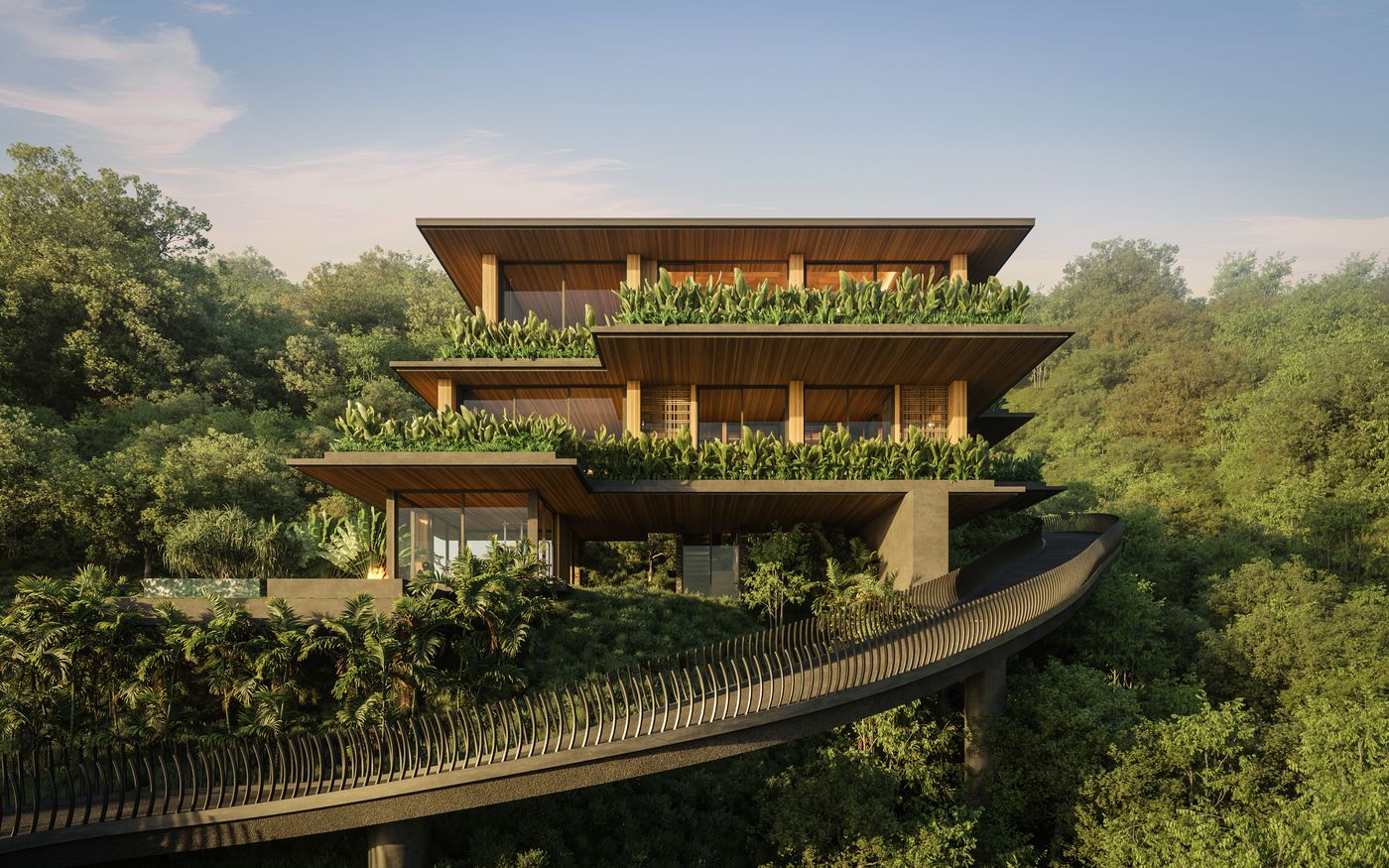
The Heights Munduk is conceived as a managed resort, not a scatter of private houses that happen to share a hillside. There is a lobby and restaurant, shared arrival and service infrastructure, and a single operational standard across the estate. That matters for owners, because a branded, professionally operated resort commands a different class of guest and a different rate than an unmanaged villa down a lane. It is the model that lets a leasehold residence trade on hospitality quality rather than on price alone.
It also protects your asset. Consistent maintenance under a professional operator keeps the building, the finishes and the mechanical systems in the condition they were handed over in, which matters over an 80-year leasehold. A villa that is looked after every week for twenty years is worth considerably more, and rents for considerably more, than one that is not.
You are buying an income asset that happens to be a beautiful place to stay, not a holiday home that occasionally makes money.
What the owner does, and does not, do
Under this model your involvement is deliberately light. In practice, ownership looks like this:
- You decide how many weeks a year, if any, you want to block out for your own use. The rest of the calendar is released to the rental programme.
- You receive regular statements showing bookings, occupancy, gross revenue, operating costs and the net figure paid to you.
- You approve larger, non-routine expenditure; day-to-day running costs are handled within the agreed operating budget.
- You do not field guest messages, chase cleaners, manage listings or take the midnight maintenance call. That is the operator's job.
For a buyer whose main aim is exposure to Bali's growth with as little friction as possible, this is the whole appeal. The villa works; you do not have to.
Why eight villas changes the maths
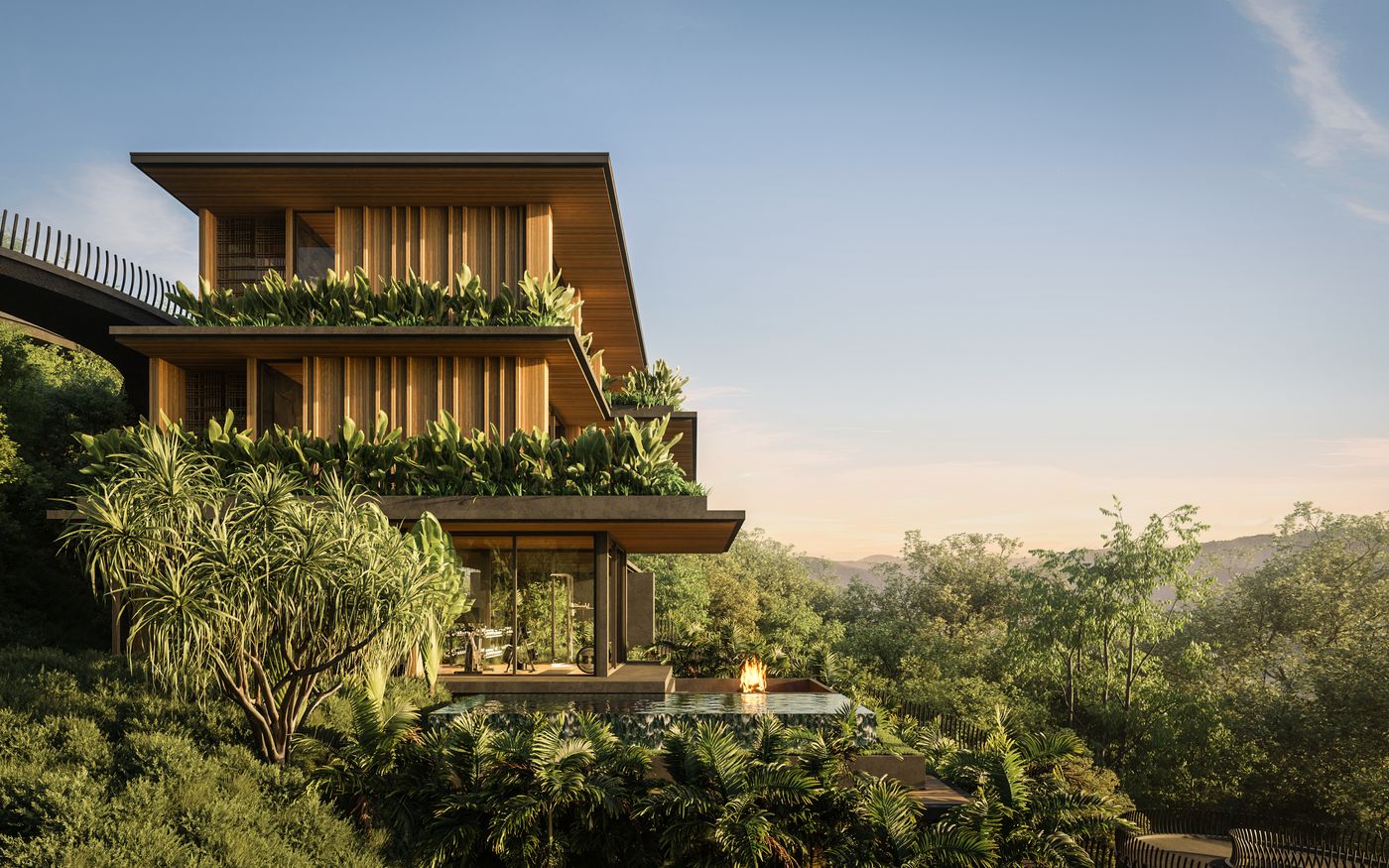
The Heights Munduk is a limited collection of eight hillside villas, and that scarcity is central to how the managed model performs. A small, tightly run estate can hold a genuinely high standard across every residence, which is far harder across a sprawling development of scores of units. It also keeps the product rare: eight ridge-top villas above the clouds cannot be replicated once the land is built out, and rarity supports both nightly rates and resale value.
Demand, meanwhile, is moving the right way. Bali welcomed more than seven million foreign arrivals in 2025, and the roughly US$3-billion North Bali International Airport, a National Strategic Project, is set to place Munduk about an hour from an international gateway rather than the three-hour transfer from the south today. More visitors, better access and a fixed supply of eight villas is the combination that a managed-rental owner wants to be positioned for. We set out the earning side of this in detail in what a North Bali villa can earn.
Ownership, income and residency together
The managed model also sits neatly alongside the other reasons people buy here. Because the villa is held on a long leasehold and run for income, it can work as a pure investment; because it is a genuine luxury residence, it can equally be a home you visit and let the operator monetise the rest of the year. And for buyers placing US$1 million or more into Indonesian property, the Second Home visa can turn that holding into multi-year residency, a point we cover in the off-plan buyer's guide. Investment, lifestyle and residency are not three separate decisions here; the managed structure lets them be one.
Where things stand
Construction has been underway since 2025 and the estate is around 65% complete, with handover set for December 2027. Buying now, off-plan, means securing one of only eight villas before completion and stepping into a managed operation that is built, from the ground up, to be run for you. If the idea of owning in Bali has always appealed but the logistics have always stopped you, this is the model designed to remove exactly that obstacle.
Own it. Don't run it.
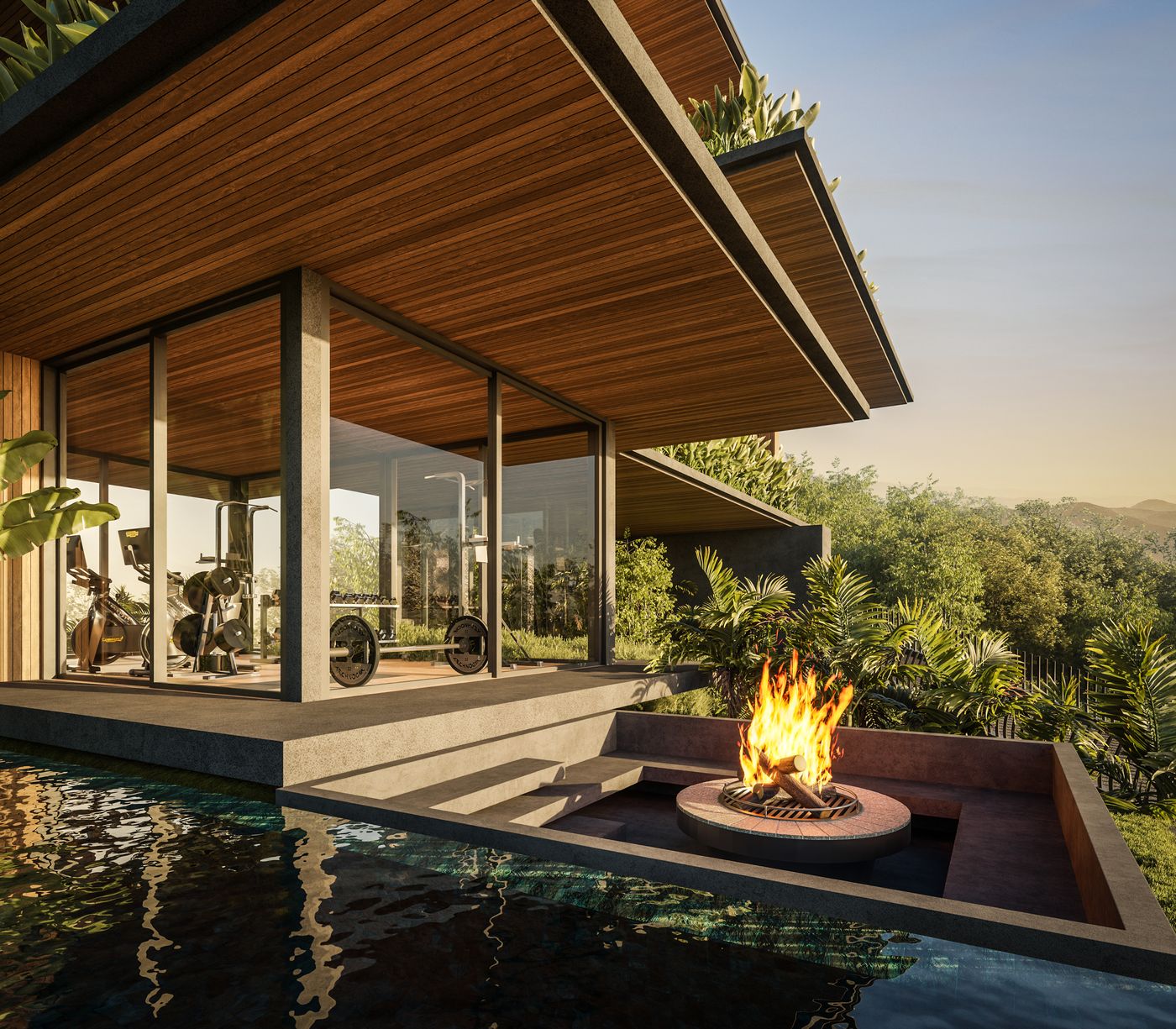
Eight hillside villas above the clouds, professionally operated for income, with private pool, hot plunge, sauna and fireplace in each. One hour from North Bali's new international gateway. Handover set for December 2027.
This article is a marketing introduction and general information only. It is not an offer, solicitation, tax advice, or investment advice, and rental income, occupancy and returns are not guaranteed and depend on market conditions. Figures on arrivals, the airport and construction progress are drawn from public reporting and project information; timelines are indicative and subject to change. Prospective buyers should take independent legal and financial advice before committing.